

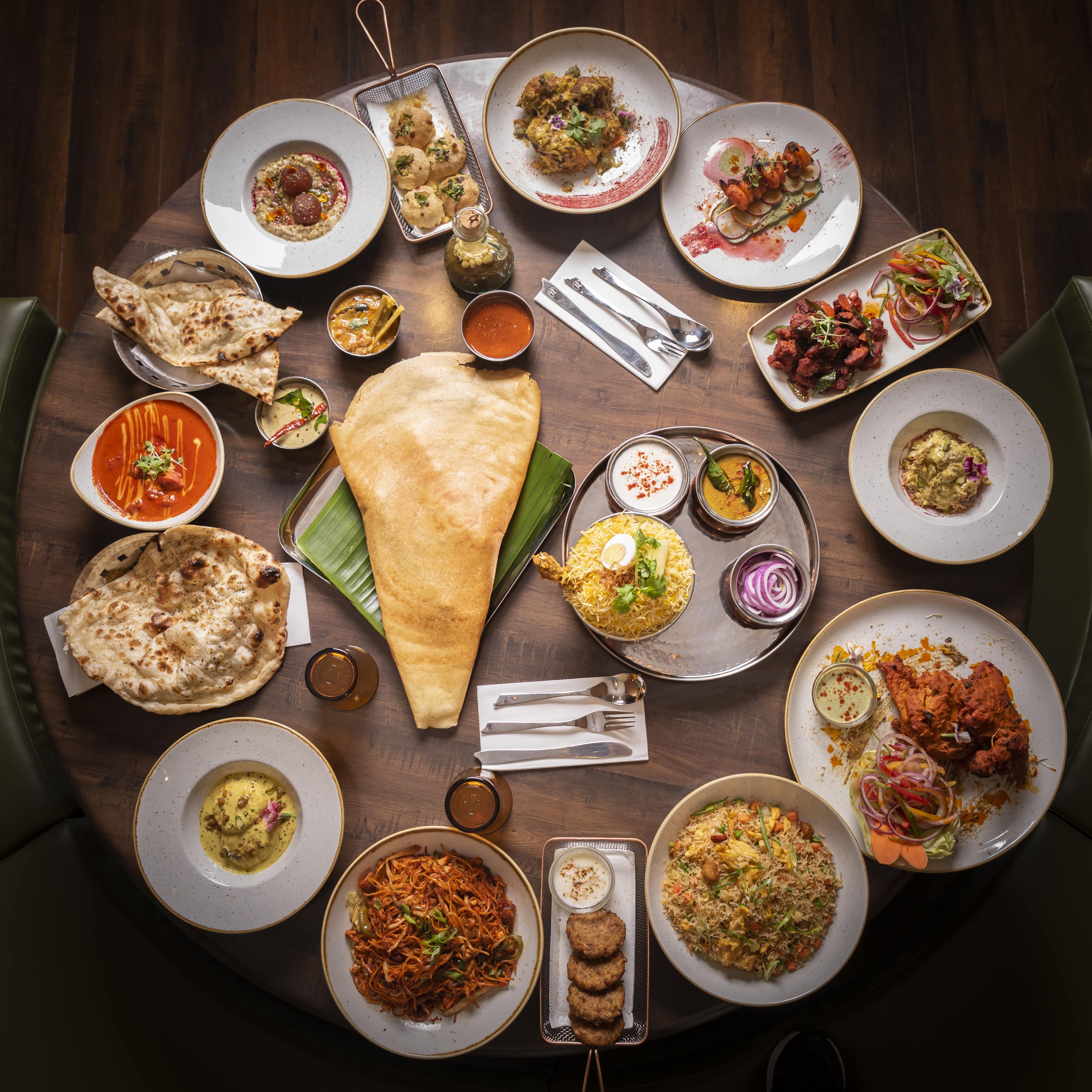
Indian food is not just about recipes. It is about a philosophy of eating that has been passed down through generations, shaped by region, season, and culture. And nowhere is this philosophy more beautifully expressed than in a traditional Indian Thali.
We have seen first-timers look at a Thali and feel pleasantly overwhelmed. Honestly? That reaction makes complete sense.
What Is an Indian Thali?
A Thali (the word literally means "plate" in Hindi) is a complete meal served on a large round platter. It brings together multiple dishes at once, giving you a full experience of flavours, textures, and nutrition in a single sitting.
It is not a sampler. It is not a combination platter. It is a complete, balanced meal built around culinary tradition.
At Simply Indian, our Thali is crafted to give Melbourne diners an authentic taste of this tradition, prepared with genuine Indian ingredients and regional recipes.
What Does a Thali Typically Include?
Every Thali differs by region, but most share a core structure. Here is what you will commonly find:
• Dal – Slow-cooked lentils, rich in protein and deeply comforting
• Sabzi – One or two vegetable dishes, often dry or semi-dry in texture
• Rice – Steamed basmati or local variety, the neutral base of the meal
• Roti or Chapati – Freshly made Indian flatbread, soft and warm
• Curry – A flavoured gravy dish, sometimes paneer-based, sometimes with lentils
• Raita or Curd – A cooling yoghurt preparation to balance the spices
• Pickle (Achar) – A small but punchy addition that sharpens every bite
• Papad – Thin, crispy lentil crackers for texture contrast
• Dessert – Often a small serving of Kheer, Halwa, or Gulab Jamun
Each element plays a deliberate role. Nothing is placed on the platter without reason.

Why Is the Thali Considered a Balanced Meal?
This is where Ayurvedic food principles come in. Traditional Indian cooking recognises six tastes: sweet, sour, salty, bitter, pungent, and astringent. A well-made Thali includes all six.
This is not accidental. It is intentional design.
When we eat all six tastes in one meal, our body feels satisfied. Cravings reduce. Digestion improves. The meal works with your body rather than against it.
That is why a good vegetarian Thali or non-vegetarian Thali always feels complete, not heavy or lacking.
Regional Thali Varieties Across India
India is vast, and so is its Thali tradition. Here is a quick look:
• Rajasthani Thali: Bold spices, dal baati churma, ghevar, and lots of ghee
• Gujarati Thali: Sweeter flavour profiles, farsan (snacks), and kadhi
• South Indian Thali: Served on banana leaf with sambar, rasam, and multiple chutneys
• Bengali Thali: Fish-forward, mustard-heavy, with subtle layers of flavour
• Punjabi Thali: Robust, butter-rich, and deeply satisfying
Each version reflects the land it comes from. The ingredients, the spice levels, even the order of eating differs.
How to Eat a Thali the Right Way
There is no strict rule, but here are a few helpful tips:
1. Start with something light, like the dal or sabzi with roti
2. Mix rice with curry or dal as you progress through the meal
3. Use the raita or curd to cool your palate between spicy bites
4. Finish with the dessert and a sip of buttermilk if served
5. The pickle? Use sparingly. It is intense and powerful
Eating a Thali is a rhythm. Once you find yours, the meal flows beautifully.
A Wholesome Meal Worth Every Bite
A traditional Indian Thali is more than food. It is culture on a plate. It is centuries of culinary knowledge presented with warmth and intention. Whether you are exploring Indian cuisine for the first time or revisiting flavours from home, a Thali gives you the full picture.
At Simply Indian, we bring this experience to Melbourne with care, consistency, and deep respect for authentic Indian cooking. Every component on our Thali plate is chosen with purpose, so every meal feels complete.
Come and experience it for yourself.


